A private consortium has been selected to build and operate new toll lanes along northern I-285 under a proposal that would pay Georgia a record $23.6 billion concession fee.
The Georgia State Transportation Board approved Top End Mobility Group on Thursday, Oct. 15, advancing a project that would give East Cobb commuters another option for traveling across the Perimeter’s congested northern arc.
The consortium would finance an estimated $8.9 billion in design and construction and reimburse Georgia $515 million in project expenses in exchange for 50 years of toll revenue, according to the Atlanta Journal-Constitution.
The concession fee would be paid in six equal annual installments beginning after financial close. The reimbursement would be due at financial close. Final agreements are expected to be signed in December 2026.
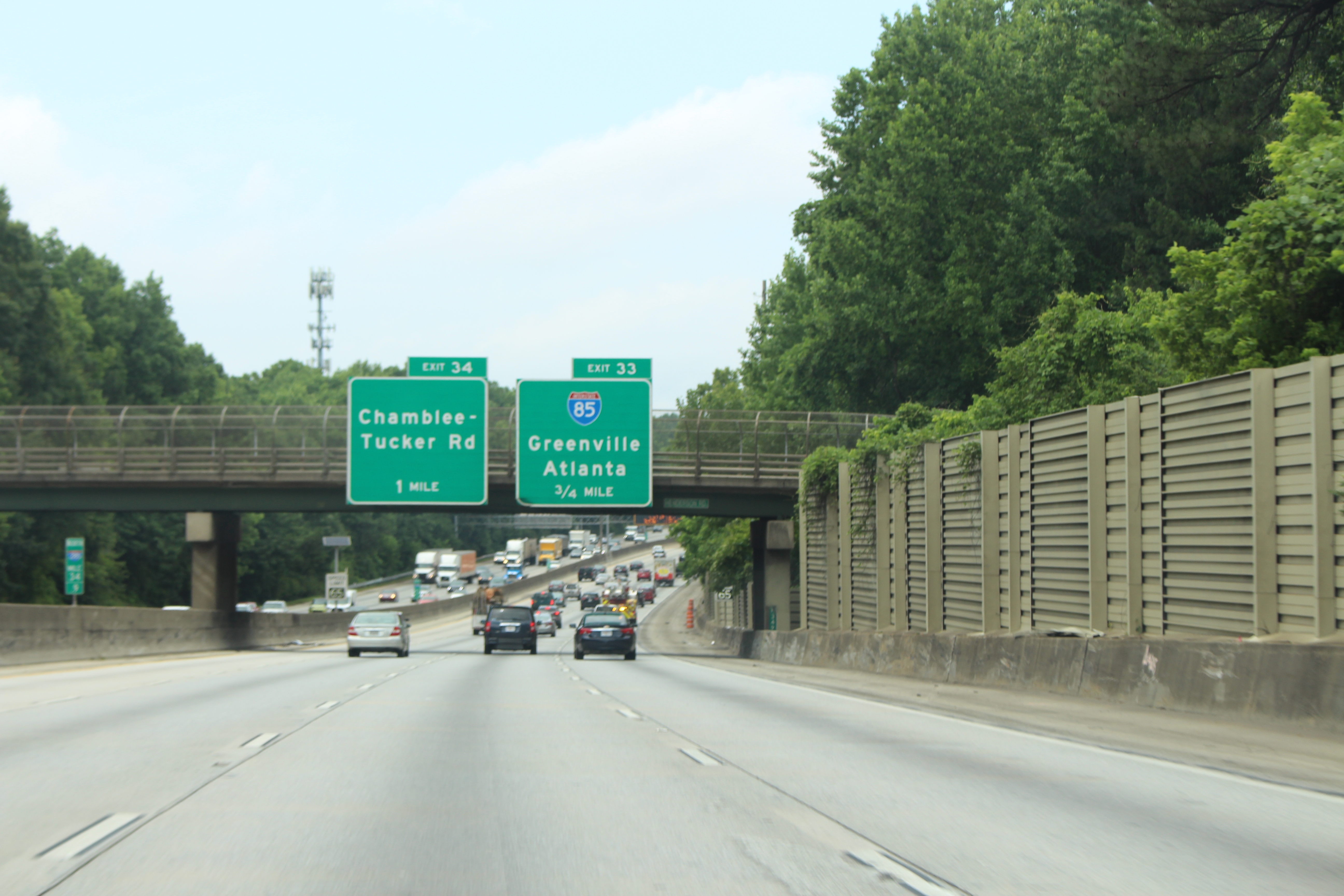
Phase 1 would add two barrier-separated express lanes in the westbound, outer-loop direction between Henderson Road and Northside Drive, according to GDOT’s project website. The existing general-purpose lanes would remain free.
Drivers choosing the express lanes would pay tolls that change with congestion. The proposed contractual cap is $2.06 per mile, but tolls could temporarily exceed that amount when express-lane speeds fall below 45 mph, the AJC reported. Drivers would use Peach Pass.
The lanes would also create a route for bus rapid transit service. They are part of a broader effort to connect express lanes across metro Atlanta, including facilities on SR 400 and I-85.
Construction is expected to begin in late 2027, according to GDOT information reported by Atlanta News First. The AJC reports a 2028 start. Both accounts put Phase 1 completion in 2034.
Later phases would add lanes in the opposite direction and extend the system toward the I-20 interchange on Atlanta’s east side. Published completion estimates for the remaining work range from 2041 to 2042.
Top End Mobility Group is led by Ferrovial and includes Tikehau Star Infra, according to the company’s announcement. The group beat two other bidders.
The selection covers Phase 1, while a separate development agreement would allow GDOT to work exclusively with the consortium on future phases.
For commuters, the immediate consequence is a long construction horizon. The first new lanes are not expected to open for roughly eight years.