East Cobb tap water carries an earthy, musty taste as algae-produced compounds surge in the Chattahoochee River, the source for one of Cobb County's two treatment plants.
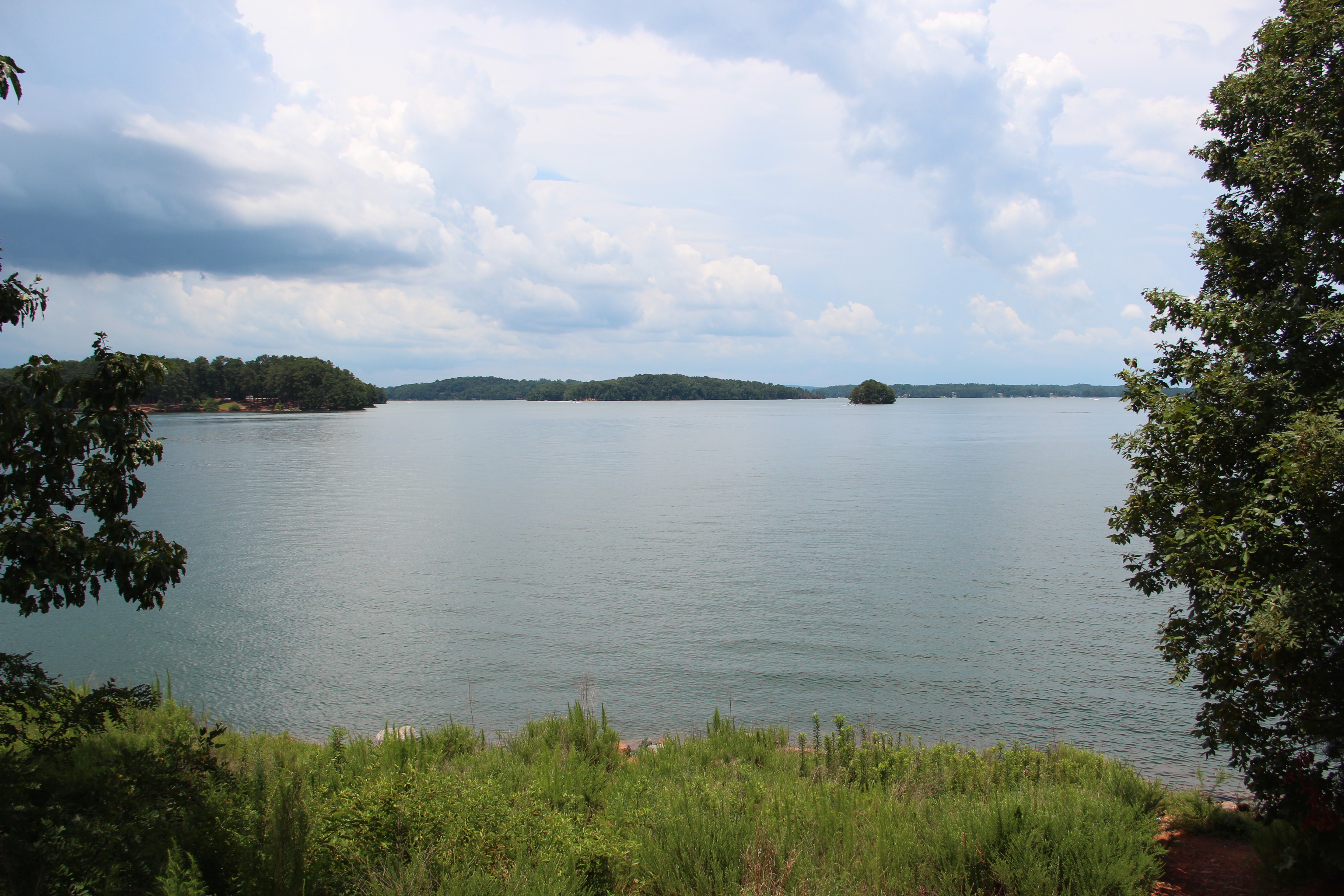
The compounds, called geosmin and 2-methylisoborneol (MIB), are produced by algae in Lake Lanier. Chattahoochee Riverkeeper reported Sunday, Sept. 27 that water providers across north Georgia are seeing rising levels of both. The organization, led by Executive Director Jason Ulseth, said the water remains safe to drink and wash with despite the taste.
The taste is the problem, not the safety.
Every fall, as air temperatures cool, Lake Lanier undergoes what's known as "turnover." Cooler surface water sinks, stirring up algae that produce MIB and geosmin and mixing those compounds into the water column. The Chattahoochee River carries that water downstream to metro Atlanta utilities, including the Cobb County-Marietta Water Authority (CCMWA).
CCMWA operates the James E. Quarles Water Treatment Plant on Lower Roswell Road, which draws directly from the Chattahoochee. Cobb County Water System purchases its treated water wholesale from CCMWA and distributes it to more than 900,000 residents through roughly 3,100 miles of water mains, according to the county's 2026 water annual report.
How high the compounds have climbed
MIB becomes noticeable in drinking water at about 10 parts per trillion, according to the Forsyth County Department of Water and Sewer. In November 2025, CCMWA reported that Chattahoochee River source water at the Quarles plant reached 137 parts per trillion of MIB. The highest level recorded in 2024 was 19 parts per trillion.
Neighboring Forsyth County, which draws directly from Lake Lanier, measured raw-water MIB at approximately 213 parts per trillion on Sept. 1, according to a county notice. Forsyth County's ozone treatment reduced that to about 22.3 parts per trillion before the water entered distribution. Some neighboring utilities reported raw-water MIB concentrations exceeding 1,000 parts per trillion as of Sept. 14, the county said.
What utilities are doing
CCMWA and other regional utilities are using activated carbon and ozone treatment to remove the compounds, Chattahoochee Riverkeeper said. The Atlanta Journal-Constitution reported Sept. 21 that CCMWA is evaluating advanced treatment processes and has allocated 2026 funding toward reducing taste and odor impacts.
Chattahoochee Riverkeeper, which monitors algae levels in Lake Lanier, said it did not see abnormal increases in total algae in 2026. But Dr. Chris Manganiello, the organization's water policy director, said more investment is needed to reduce nutrient pollution from leaking sewer lines, septic tanks, lawn fertilizers and agricultural and urban runoff.
What East Cobb residents can do
For households noticing the taste, CCMWA has offered three tips: chill the water in a refrigerator, run it through an activated carbon filter, or add a squeeze of lemon juice. Chattahoochee Riverkeeper, Forsyth County's water department and CCMWA have all said the compounds pose no health risk.
The musty taste fades as lake turnover subsides by late fall.