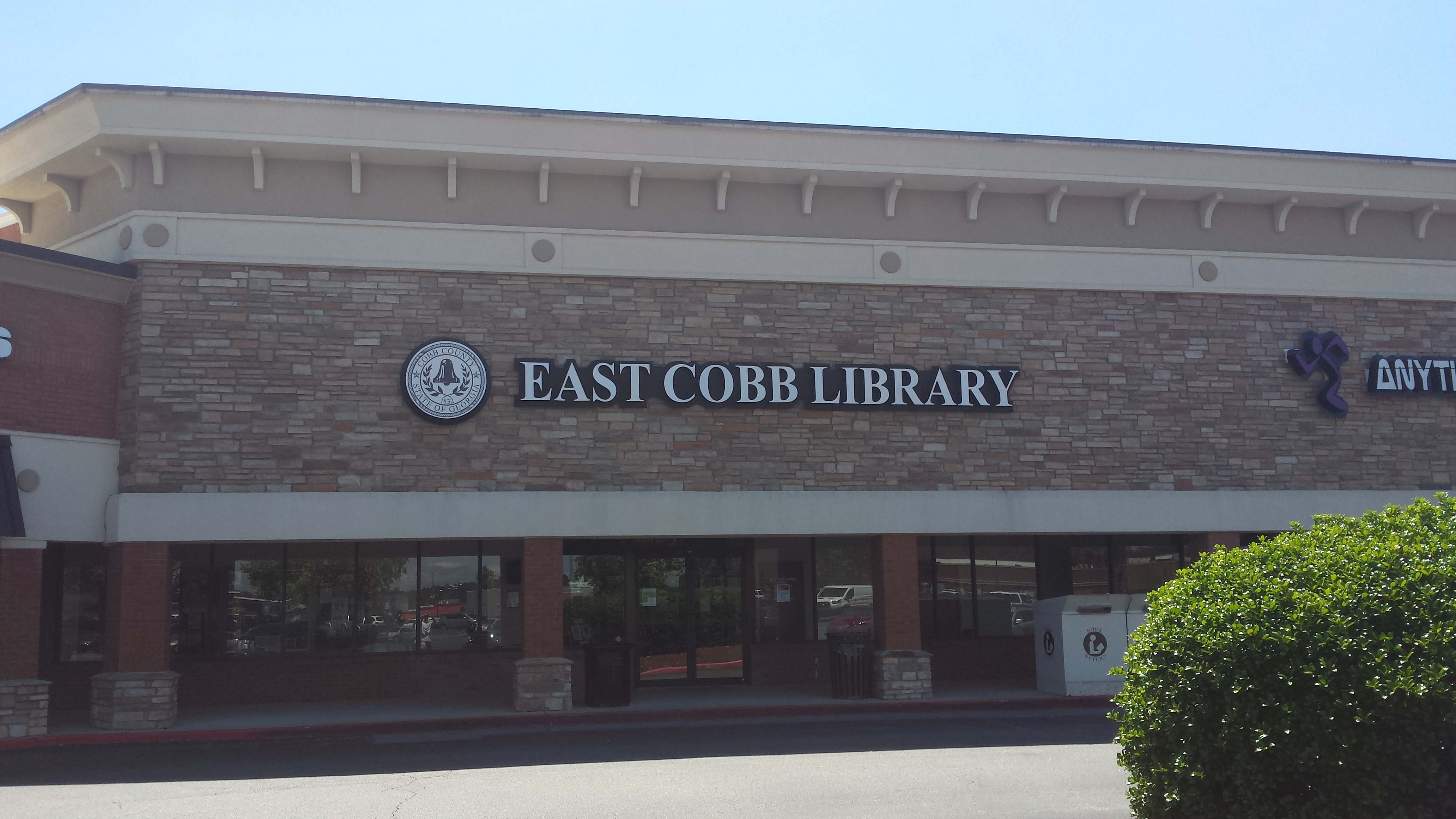
East Cobb families could qualify for scholarships covering private school tuition, tutoring and other K-12 expenses under a federal tax-credit program beginning Jan. 1, 2027.
Eligibility extends to households earning up to three times their area median gross income. That could include families earning six figures, although the applicable limit depends on location and household size. Meeting the income requirement would not guarantee an award.
Georgia has opted into the Federal Scholarship Tax Credit program, created under the One Big Beautiful Bill Act signed July 4, 2025. The state was among 30 that had made advance elections to participate as of Sept. 14, according to the IRS.
How scholarships would work
The program relies on donations to approved nonprofit scholarship-granting organizations, known as SGOs. Those organizations would select recipients and determine award amounts.
Individual donors could claim a nonrefundable federal tax credit of up to $1,700 for qualifying cash contributions. Proposed regulations would allow married couples filing jointly to claim up to $3,400 if each spouse makes qualifying contributions. A state tax credit claimed for the same contribution would reduce the federal credit, according to the proposed rules.
The income ceiling is broad, but scholarship organizations could choose to focus on lower-income students. The proposal calls for household-size adjustments and verification of income from the calendar year before an application.
Families would apply through participating organizations rather than a single national application system. Award amounts would depend on donations and each organization’s policies.
What families could pay for
Eligible expenses include private or religious school tuition, tutoring, books, educational supplies, computers and certain services for students with disabilities.
Public school students could also receive assistance for qualifying expenses without leaving their schools. The program does not provide unrestricted funding directly to school districts, according to the Learning Policy Institute’s analysis.
Homeschooling families’ eligibility would depend on applicable school definitions and expense requirements. Families should confirm coverage with an approved organization before assuming a purchase qualifies.
Support and oversight concerns
Gov. Brian Kemp announced Georgia’s participation in January, saying the program would complement the state’s existing donor-funded school-choice scholarships, CBS News Atlanta reported.
Critics question how equitably the scholarships will be distributed and whether oversight will adequately protect students.
The Center for American Progress, a progressive policy organization, argues that limits on additional state requirements could weaken accountability and safeguards against discrimination and fraud.
The temporary federal regulations restrict states from adding certain conditions on scholarship organizations, but expressly preserve obligations under other applicable federal and state laws.
What happens before launch
Treasury’s temporary regulations take effect Dec. 1, 2026. Georgia must also submit its list of qualifying scholarship organizations; its advance election alone does not guarantee awards will be available Jan. 1.
Comments on the accompanying proposed regulations are due Dec. 1. A public hearing is scheduled for Dec. 15, subject to cancellation if no speaking outlines are submitted, according to the official notice.